In recent years, craft beers have surged in popularity, captivating the taste buds of beer enthusiasts worldwide. This remarkable rise reflects a growing appreciation for the diverse flavors and unique brewing techniques that define craft beers. Distinguished from their mass-produced counterparts, craft beers offer a more decadent, more personal brewing philosophy. This guide aims to introduce beginners to this fascinating world, equipping them with the knowledge to appreciate and explore various styles, tastes, and nuances. Whether you’re a seasoned beer lover or new to the scene, this journey through craft beers promises to enhance your understanding and enjoyment of these artisanal brews.
Contents
The History And Rise Of Craft Beers

The craft beer movement’s roots trace back to small-scale brewers who, decades ago, began challenging the norms of large-scale commercial brewing. These early artisans prioritized quality, flavor, and traditional brewing methods, igniting a beer revolution. Their dedication to craft over mass production introduced beer enthusiasts to a world of rich, diverse flavors and styles.
As this movement evolved, it not only changed beer consumption patterns but also impacted local economies and cultures. Despite facing competition from larger breweries, craft beers have thrived due to their emphasis on creativity, quality, and community engagement. Their growth reflects a shift in consumer preference towards products with unique stories and local significance.
Understanding Beer Styles

The diverse world of craft beers can be overwhelming for beginners, with its array of styles and flavors. Common styles include India Pale Ales (IPAs), known for their hoppy and bitter taste; stouts, which offer deep, dark flavors; and lagers, lighter in body with a crisp finish. Each style presents a unique taste profile, deeply influenced by specific ingredients and brewing techniques.
These styles range from the fruity and complex Belgian ales to the smooth, caramel-infused porters. Understanding the characteristics of each style is crucial to appreciating the diversity in craft beers. This exploration is a journey through different brewing traditions and cultural influences, making each style a unique experience.
The Art Of Brewing: Ingredients And Processes
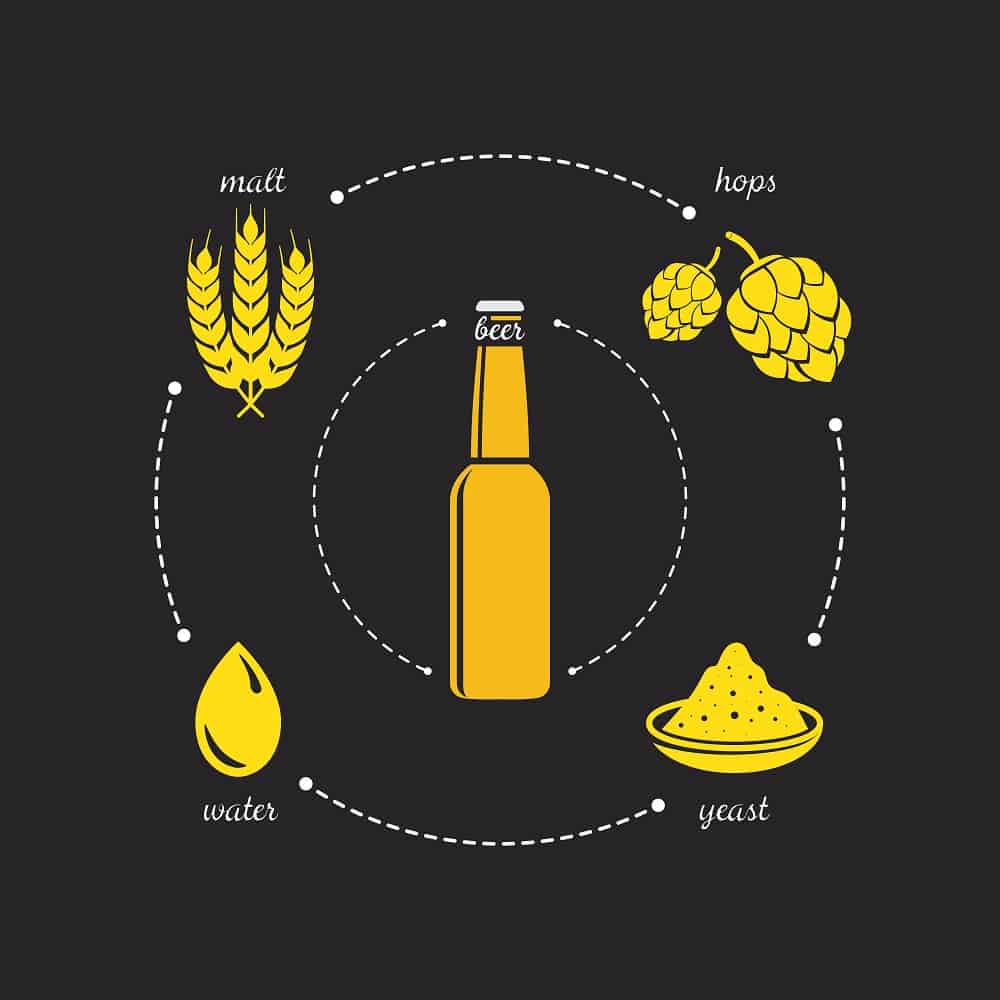
The craft of beer is an intricate blend of art and science, hinging on four essential ingredients: water, malt, hops, and yeast. The quality of water, often an overlooked ingredient, significantly influences the beer’s flavor. Malt, generally barley, imparts sweetness and color, forming the foundation of the beer’s profile.
Hops are responsible for the bitterness that balances the malt’s sweetness, also adding unique flavors and aromas. Yeast, the catalyst for fermentation, transforms sugars into alcohol and carbon dioxide, creating the beer’s alcohol content and effervescence. The brewer’s mastery in manipulating these ingredients and their processing methods defines the uniqueness of each craft beer.
Sensory Experience: Look, Smell, Taste

Appreciating craft beer starts with its visual aspects. The beer’s color, ranging from pale golds to deep blacks, provides insights into the types of malt used. The clarity can indicate the brewing method, while the foam’s texture may hint at the beer’s mouthfeel and body. This visual inspection sets expectations for the tasting experience.
Aromas play a crucial role in the sensory experience of craft beer. Floral, citrus, or pine notes from hops and caramel or biscuit hints from malts enrich the beer’s bouquet. Finally, tasting involves savoring the beer, allowing its flavors to unfold on the palate. Each sip can reveal layers of bitterness, sweetness, acidity, or umami, showcasing the complexity and craftsmanship of the brew.
Glassware And Serving Temperatures
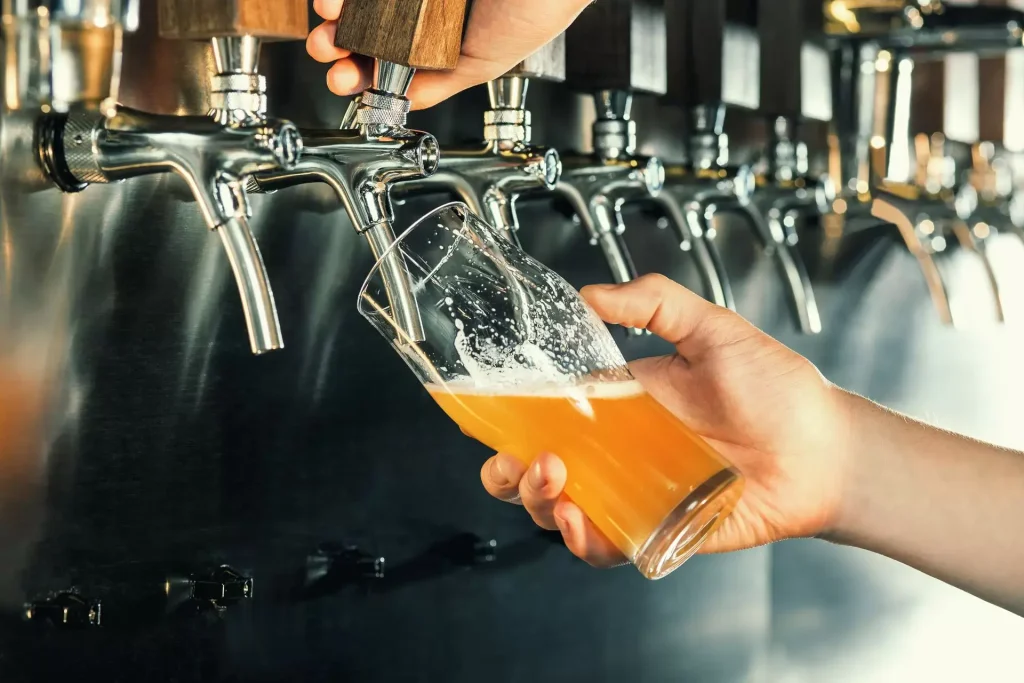
The choice of glassware and the serving temperature significantly influence the craft beer experience. Different styles of beer are enhanced when served in specific types of glasses, which are designed to accentuate the beer’s aroma, appearance, and taste. For instance, a tulip glass is ideal for Belgian ales and IPAs as it concentrates the aroma, while a pint glass suits stouts and lagers due to its wider opening. The shape of the glass can affect the foam’s retention and the release of volatile compounds, which are key to the beer’s aroma and flavor profile.
Serving temperature is equally crucial, as it can alter the beer’s character. Lighter beers like lagers and pilsners are best enjoyed at cooler temperatures, highlighting their crispness and refreshment qualities. In contrast, darker, more robust beers like stouts and porters should be served slightly warmer to enhance their rich, complex flavors. An incorrectly served temperature can mask or distort the nuanced flavors crafted by the brewer, thereby detracting from the overall experience.