In a world where technology and lifestyle seamlessly intertwine, Virtual Reality (VR) has emerged as a revolutionary force, transcending the boundaries of entertainment and gaming. Its latest foray into the realm of fitness is redefining how people perceive and engage with physical activity. Virtual Reality Fitness, a concept that combines the immersive experience of VR with physical exercise, is not just a fleeting trend but a burgeoning phenomenon in the health and wellness industry. This post delves into the rise of virtual reality fitness, exploring its roots, evolution, and the myriad ways it is reshaping the approach to staying fit. From historical developments to future trends, you will uncover the fascinating journey of VR fitness and its growing impact on the general public.
The Concept of Virtual Reality Fitness

Virtual Reality Fitness is an innovative approach that blends the immersive world of VR with physical exercise. It involves users donning VR headsets and engaging in a virtual environment where they can perform various fitness activities, from aerobics to strength training. Unlike conventional fitness routines, VR fitness offers an engaging, interactive experience that can make exercise more enjoyable and less monotonous.
The key to its appeal lies in its ability to transport users to virtual worlds, making the workout experience feel like a captivating adventure rather than a chore. This unique blend of technology and physical activity not only enhances the appeal of exercising but also opens up new possibilities for fitness enthusiasts of all levels.
Historical Development
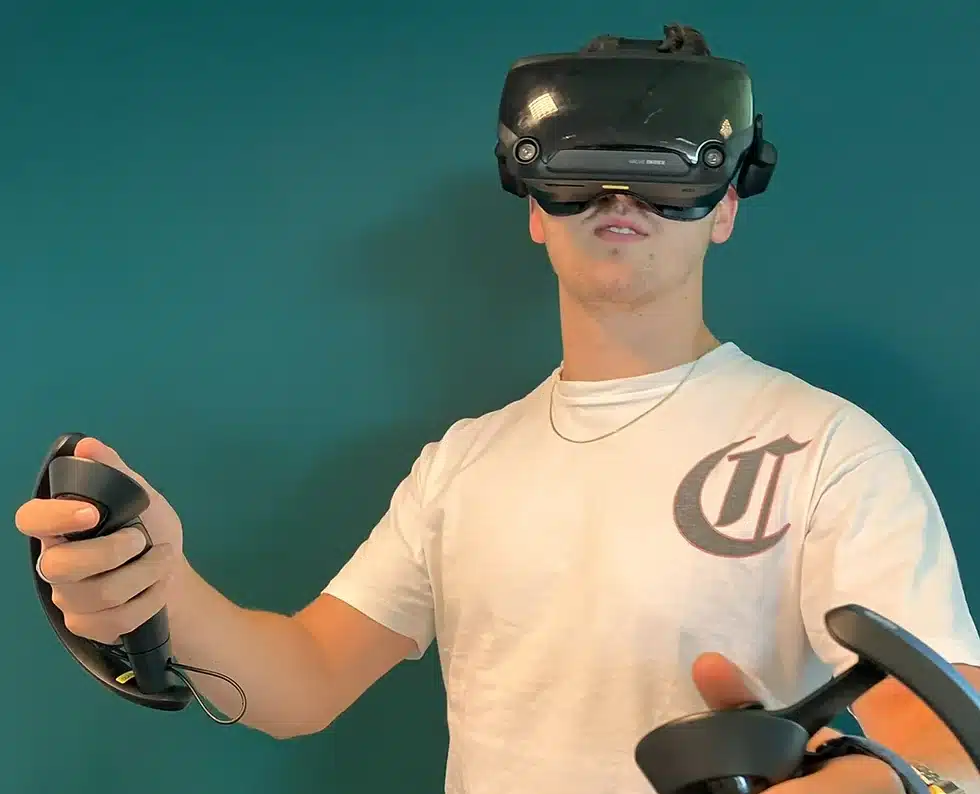
The journey of Virtual Reality Fitness began with the basic concept of incorporating VR into exercise routines. Its early stages saw rudimentary applications, primarily in the gaming industry, where physical movement was a part of the gaming experience. However, it wasn’t until advancements in VR technology became more widespread and accessible that VR fitness started gaining real momentum.
Major milestones include the development of more sophisticated VR headsets and the introduction of VR fitness applications and games. These developments transformed VR from a niche technology into a mainstream fitness tool. The historical progression of VR fitness is marked by the evolution of technology, growing from simple motion tracking to complex, fully immersive experiences that could accurately simulate various physical activities.
Technological Advancements Driving VR Fitness

The rise of VR fitness can be significantly attributed to major technological advancements. Innovations like enhanced motion tracking, improved graphical fidelity, and more comfortable and affordable VR headsets have made VR fitness experiences more immersive and accessible. These technological leaps have enabled the creation of diverse fitness environments, from virtual gyms to exotic locations, providing a stimulating workout setting unlike any traditional exercise regime.
Moreover, the integration of biometric sensors has allowed for more personalized and effective workout experiences. These sensors can track vital statistics like heart rate and calories burned, tailoring the VR fitness experience to individual health needs and fitness goals. This level of personalization and interactivity is a game-changer, making fitness routines more engaging and efficient.
Benefits of VR Fitness

One of the most compelling aspects of VR fitness is its wide range of benefits that extend beyond physical health. On the physical front, VR workouts can be just as effective as traditional exercises, offering cardiovascular, strength, and flexibility training. The immersive nature of VR also encourages longer and more frequent workouts, as users are often more engaged in the virtual experience.
Mentally, VR fitness can significantly boost motivation and reduce the feeling of exertion, making workouts feel less taxing. The immersive environments and gamified elements can also help in alleviating stress and improving mental well-being. This unique combination of mental and physical benefits positions VR fitness as a holistic approach to health and wellness.