Contents
Mastering Basic Techniques
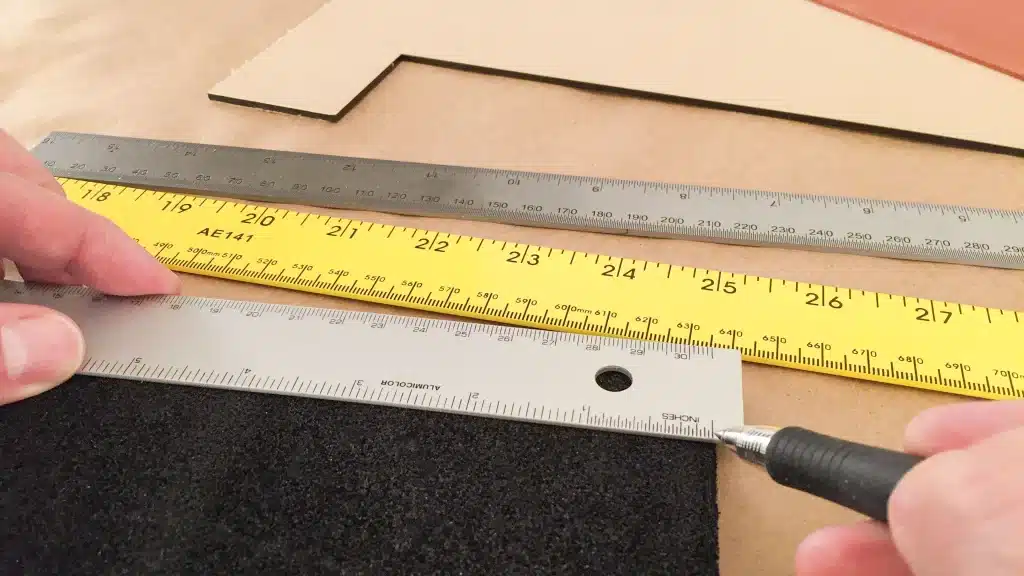
The art of furniture design is not just about having the right tools and materials; it’s also about mastering the basic techniques that form the foundation of all woodworking projects. Accurate measuring is the first step in this process. One wrong measurement can throw off the entire project, wasting materials and time. Cutting is another area where precision is key. Whether you’re using a handsaw or a power saw, the cuts must be clean and accurate to ensure the pieces fit together perfectly.
Joinery techniques are the next crucial aspect to master. Basic methods like dovetail and mortise-and-tenon joints are aesthetically pleasing and provide structural integrity to the furniture. Learning these techniques can be challenging but rewarding, as they allow for broader design possibilities. Finally, no piece of furniture is complete without the finishing touches. This involves sanding the surfaces to remove imperfections, followed by staining or painting to enhance the wood’s natural beauty. A well-finished piece looks professional and stands the test of time.
Common Mistakes To Avoid

Embarking on a DIY furniture project is exciting, but it’s easy to make mistakes, especially if you’re a beginner. One of the most common pitfalls is inadequate planning. Skipping or rushing through the planning stage can lead to problems, from incorrect measurements to a lack of necessary materials. This often results in wasted time and resources, not to mention the frustration of starting over.
Another frequent mistake is ignoring safety measures. While it might seem like an unnecessary precaution, neglecting safety can have severe consequences. From minor injuries like cuts and scrapes to more serious accidents involving power tools, the risks are not worth taking. Always read each tool’s safety guidelines and ensure you’re wearing appropriate safety gear. Additionally, using poor-quality materials may seem like a cost-saving measure in the short term, but it can lead to long-term issues like warping, cracking, and general wear and tear.
Inspiration And Creativity

The technical aspects of DIY furniture design are crucial, but so is the creative side. Finding inspiration for your projects can come from various sources, such as Pinterest, Instagram, design blogs, or traditional magazines. These platforms offer a wealth of ideas, from classic designs to modern trends, helping you find a style that resonates with you.
Once you’ve found your inspiration, the next step is to add personal touches to make the piece uniquely yours. This could be anything from choosing a distinctive paint color to incorporating intricate designs or patterns. Don’t be afraid to experiment and think outside the box. Collaborating with others, whether friends or members of online DIY communities, can also provide fresh perspectives and ideas, enriching your design process.
The Road Ahead: Maintaining Your Furniture

Creating a piece of furniture is an achievement, but maintaining it is an ongoing responsibility. Regular maintenance, including cleaning and polishing, can significantly extend the life of your furniture. Wood, in particular, needs to be treated to protect it from moisture and pests. Simple practices like coasters, dusting, and occasional polishing can go a long way in preserving your creation.
Repairs and upgrades are also part of the furniture lifecycle. Over time, screws may loosen, paint may chip, and wood may crack. Knowing how to fix these minor issues can save you the cost of buying new furniture or hiring a professional. However, for more significant problems, it’s advisable to seek professional help. Some issues require specialized skills and tools; attempting a DIY fix could worsen the problem.
The Bottom Line
The world of DIY furniture design is as vast as it is rewarding, offering endless possibilities for creativity and customization. From the initial planning stages to choosing materials, from mastering basic techniques to avoiding common pitfalls, each process step is a learning experience. While the journey may be fraught with challenges, the satisfaction of creating a piece of functional and aesthetically pleasing furniture is unparalleled.