

Probiotics, the beneficial bacteria thriving in the human gut, have gained significant attention for their role in maintaining good health. This post aims to guide readers through the process of creating probiotic foods at home. With a focus on easy-to-follow methods and health benefits, the journey into homemade probiotics promises not only a wealth of nutritional value but also a satisfying culinary adventure. From the simple joys of crafting yogurt to the intricate processes of fermenting vegetables, this guide is an essential companion for anyone keen on embracing a healthier lifestyle through food.
The Basics and Benefits of Probiotics

Probiotics, often referred to as “good” or “friendly” bacteria, play a crucial role in maintaining gut health. They are live microorganisms that, when consumed in adequate amounts, provide numerous health benefits. Probiotics aid in digestion, boost the immune system, and can even help in preventing certain illnesses. Their importance in a balanced diet is increasingly recognized by health professionals worldwide.
Understanding the benefits of probiotics is vital. Regular consumption of these microorganisms has been linked to improved digestive health, reduction in gastrointestinal issues, and enhanced absorption of nutrients. They also play a role in mental health, with some studies suggesting a connection between a healthy gut and improved mood and cognitive function. This makes probiotics a key component of a holistic approach to health.
Essential Tools and Ingredients

To embark on the journey of making probiotics at home, certain tools and ingredients are essential. Basic kitchen utensils like jars, strainers, and spoons are necessary, along with specific items like fermentation weights and thermometers for precise temperature control. Quality ingredients are equally crucial, including starter cultures, organic milk for yogurt, and fresh vegetables for fermenting.
The choice of ingredients plays a pivotal role in the success of homemade probiotics. Starter cultures, which can be bought or developed from existing probiotic foods, are the foundation of any fermented product. Organic and fresh ingredients ensure the highest nutrient content and best flavor. Keeping a clean and sanitized workspace is also vital to avoid contamination and ensure the safety of the probiotic foods.
Starting Simple: Making Yogurt at Home
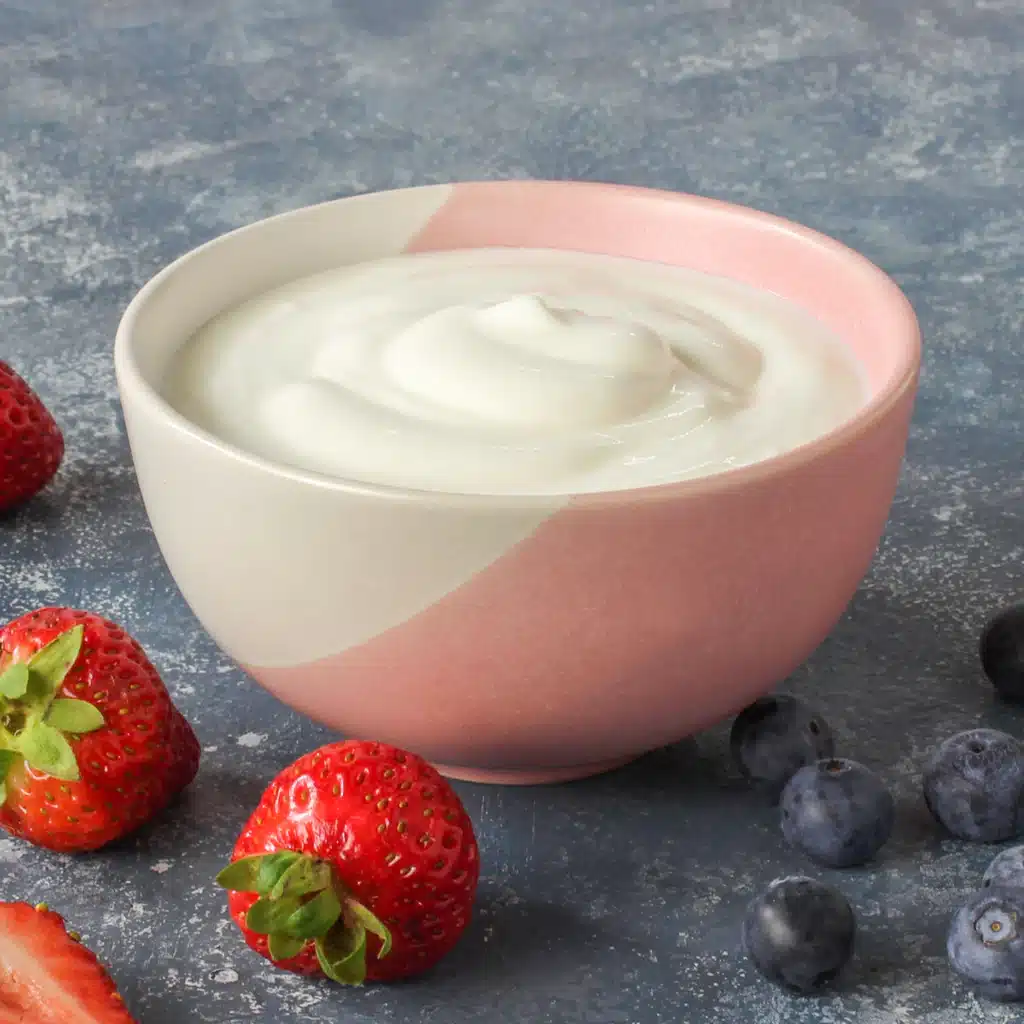
Making yogurt is an excellent starting point for beginners in the world of homemade probiotics. The process involves heating milk to a specific temperature, then cooling it before adding a yogurt starter culture. This mixture is then kept at a stable, warm temperature for several hours to allow the bacteria to ferment the milk, turning it into yogurt.
Homemade yogurt not only offers control over the ingredients but also allows for customization in flavor and consistency. By adjusting the fermentation time, the yogurt can be made thicker or thinner according to preference. Flavorings like fruit, honey, or vanilla can be added post-fermentation to enhance the taste. Homemade yogurt is a versatile, nutritious, and delicious addition to any diet.
Fermenting Vegetables: Sauerkraut and Kimchi

Fermenting vegetables is another way to create probiotic-rich foods at home. Sauerkraut, a traditional fermented cabbage dish, is simple to make. It requires just cabbage and salt, which are mixed and then left to ferment in airtight conditions. The natural bacteria present on the cabbage leaves initiate the fermentation process, creating a tangy, probiotic-rich food.
Kimchi, a staple in Korean cuisine, is a spicy fermented vegetable dish, typically involving cabbage and a variety of seasonings. The preparation of kimchi involves salting the vegetables, adding seasonings like chili pepper, garlic, and ginger, and then fermenting the mix for several days. This results in a probiotic food that is not only healthful but also packed with bold flavors.