

Physical Activities For Relaxation
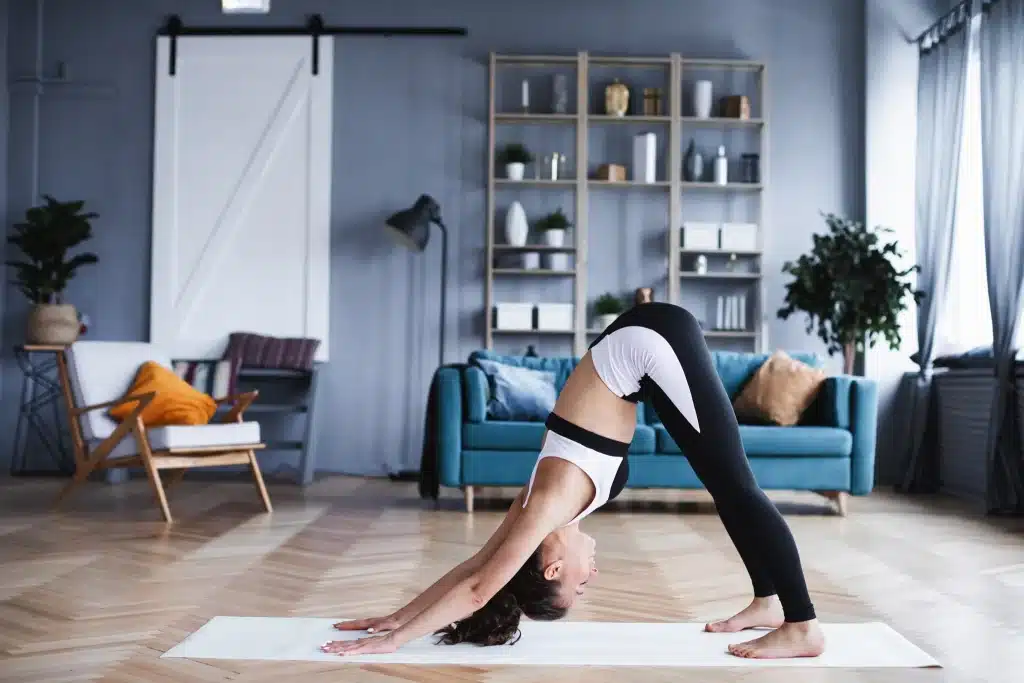
Engaging in physical activity is a fantastic way to relieve stress and improve mood. Gentle exercises like yoga or stretching are particularly effective for relaxation. They not only help in reducing physical tension but also in calming the mind. Such activities can be easily incorporated into daily routines, whether it’s a morning yoga session or a brief stretching break during the day.
It’s essential to listen to the body and adjust physical activity according to energy levels. A leisurely walk in nature, for instance, can be as beneficial as a vigorous workout, especially on days when energy is low. The goal is to find joy in movement, allowing the body to release stress while respecting its limits.
Pampering Yourself

Self-pampering is a delightful aspect of self-care. It’s about giving oneself permission to indulge in activities that bring joy and relaxation. This could be as simple as a long bath with luxurious bath salts or oils, applying a nourishing face mask, or preparing a DIY body scrub. These small acts of self-indulgence can have a big impact on overall well-being.
Recognizing the need for self-pampering and allowing time for it is crucial. Whether it’s setting aside a specific evening for a spa-like experience at home or taking a few moments each day for a skincare routine, these practices contribute significantly to self-esteem and happiness.
Digital Detox And Unplugging

Reducing screen time has become increasingly important in today’s digital age. Constant connectivity can lead to information overload, stress, and a feeling of being perpetually ‘on’. Setting aside time to unplug from digital devices can create space for more meaningful activities and interactions.
Practical steps for a digital detox include designated no-phone times, such as during meals or before bed, or setting aside a whole day each week free from digital devices. This break from digital stimulation allows the mind to rest and rejuvenate, offering a fresh perspective on daily life and fostering a deeper connection with the immediate environment and the people in it.
Creative Outlets For Stress Relief

Engaging in creative activities is a therapeutic way to manage stress. Activities like painting, journaling, or crafting not only provide a sense of accomplishment but also serve as an outlet for expressing emotions. The process of creating something, regardless of the outcome, is immensely satisfying and calming.
These creative pursuits don’t require expertise or perfection. The focus is on the process and the joy it brings. Whether it’s writing down thoughts in a journal, sketching, or making something by hand, these activities can provide a welcome break from the routine and offer a unique way to unwind and process feelings.
Cultivating A Gratitude Practice

Cultivating gratitude can significantly impact mental health and perspective on life. Keeping a gratitude journal, where daily reflections on things to be thankful for are noted, can shift focus from negative to positive aspects of life. This practice encourages a mindset of appreciation and positivity.
Simple daily practices, such as mentally acknowledging three things to be grateful for each morning or sharing them with a friend or family member, can strengthen feelings of gratitude. This habit fosters a sense of contentment and can change the way challenges are perceived, making them seem more manageable and less overwhelming.
The Bottom Line
Self-care is a multifaceted and personal journey, varying greatly from one person to another. The activities and practices outlined in this blog are just a starting point. It’s about finding what resonates personally and brings a sense of peace and happiness. Regularly dedicating time to self-care is not selfish; it’s essential for maintaining mental, emotional, and physical health. The journey to self-care is an ongoing one, evolving with changing needs and circumstances, but always with the goal of nurturing oneself.