Stress is an unavoidable aspect of modern life, impacting millions worldwide. Effective management techniques are crucial, and among them, breathing exercises are particularly notable for their simplicity and efficacy. These practices offer immediate relief and long-term health benefits by improving mental clarity and reducing physical symptoms of stress. This post delves into various breathing strategies that help foster calmness and control. By understanding and applying these techniques, you can significantly enhance your ability to cope with stress, promoting a healthier, more balanced lifestyle.
Contents
The Science Behind Breathing and Stress
Breathing exercises impact your body at a biological level, primarily influencing your autonomic nervous system, which controls stress responses. By manipulating your breathing pattern, you can stimulate the parasympathetic nervous system, the part of the body responsible for relaxation and recovery. This shift helps decrease heart rate, lower blood pressure, and reduce stress hormone levels, creating a feeling of calm. Engaging in regular breathing exercises can train your body to handle stress more efficiently, making you feel more relaxed even during tense situations.
The science of breathing is rooted in its ability to alter the pH level of the blood and increase the intake of oxygen, which enhances the efficiency of your organs. By focusing on deep, rhythmic breathing, you send signals to your brain to calm down and relax. This process is not only helpful in acute stress situations but also benefits long-term health by improving respiratory and cardiovascular function. Regular practice can make this a natural response to stress, reinforcing a healthier physiological response to daily stressors.
Basic Breathing Techniques to Start With
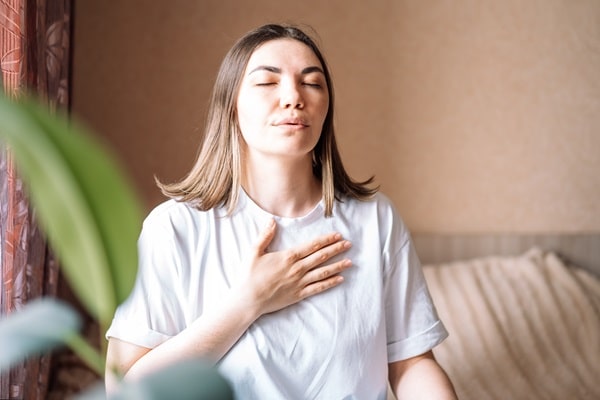
For those new to breathing exercises, starting with the basics can be very beneficial. Diaphragmatic breathing, or belly breathing, is a fundamental technique that involves deep breathing into the lungs by engaging the diaphragm. This method maximizes the amount of oxygen entering the bloodstream, promoting a full oxygen exchange, which is beneficial for reducing the amount of tension in the body. As a beginner-friendly practice, it serves as a foundation for more advanced techniques.
Another simple yet effective technique is the c, which involves breathing in for 4 seconds, holding the breath for 7 seconds, and exhaling for 8 seconds. This exercise helps regulate breathing and can quickly reduce anxiety. It’s particularly useful before stressful events or as a means to calm down in moments of panic. The predictable pattern of the 4-7-8 method not only focuses the mind but also improves sleep quality if practiced regularly before bedtime.
Deep Breathing Exercises for Immediate Relief

Deep breathing exercises are great for immediate stress relief, as they help reduce the ‘fight or flight’ response and promote the ‘rest and digest’ state. Deep belly breathing is a technique that emphasizes an intentional increase in the depth of breathing. By taking slow, deliberate breaths, you can engage your lower lungs, send a message to the brain to calm down and decrease your overall stress. This method is especially effective in high-pressure environments where stress levels are high.
Counting breaths can enhance the effectiveness of deep breathing exercises by keeping the mind focused and preventing it from wandering to stressful thoughts. This can be done by counting slowly as you inhale, pause, and exhale, progressively lengthening each phase. Focusing on the numbers can help maintain a deeper, steadier breathing pattern, which optimizes the relaxation process. Practiced regularly, this can be a quick and effective tool for managing stress levels at any time of the day.
Progressive Muscle Relaxation and Breathing
Combining breathing with progressive muscle relaxation (PMR) offers a dual approach to stress relief. PMR involves tensing each muscle group in the body intensely but briefly and then releasing the tension. When paired with deep breathing, this technique helps identify bodily tensions and facilitates a deeper level of relaxation. It is particularly effective before bedtime or during a break at work, as it assists in releasing physical and mental stress.
To practice, start by inhaling deeply and tensing a specific muscle group, such as your fists, for about five seconds. As you exhale, consciously release all tension in that muscle group, noticing the difference in sensation. Move progressively from one end of your body to the other, either from your toes to your head or vice versa. This method helps reduce stress and increases body awareness, preventing stress-related habits like clenching jaws or grinding teeth.
Guided Visualization and Breathing
Guided visualization, when combined with controlled breathing, forms a powerful tool for stress relief. This technique involves envisioning a peaceful scene, event, or outcome while using deep breathing to enhance the immersive experience. The synchronization of breathing with positive imagery can significantly amplify relaxation, making it a favored choice in stress management practices. By concentrating on soothing visuals and aligning your breaths, you can create a mental escape that provides temporary relief from the stressors of daily life.
To begin, choose a quiet location where you won’t be disturbed. Close your eyes, take a deep breath, and picture a serene setting, such as a beach at sunset or a quiet forest. As you inhale deeply, imagine the warmth of the sun or the cool breeze of the forest, and as you exhale, visualize stress leaving your body with each breath. This method not only helps reduce stress but also aids in improving mood and reducing feelings of anxiety when practiced regularly.
Yoga Breathing Practices (Pranayama)
Pranayama, a key component of yoga, involves various breathing techniques that enhance physical and mental wellness. One such practice, Anulom Vilom (Alternate Nostril Breathing), involves alternating breaths between the nostrils, which helps balance the body’s energies and calm the mind. This technique is particularly beneficial for reducing stress, enhancing cardiovascular function, and improving respiratory strength. Regular practice of Anulom Vilom can also aid in better sleep and increased concentration.
Kapalabhati, or Skull Shining Breath, is another pranayama technique that involves short, powerful exhales and passive inhales. This practice is known for its ability to cleanse the lungs, increase oxygen levels in the blood, and energize the mind. While it is highly effective, it is recommended that those new to Kapalabhati proceed with caution and possibly under guidance, as the intense nature of the breaths can be challenging at first. Both of these pranayama exercises offer profound benefits if integrated into a daily routine.
Incorporating Breathing Exercises into Daily Routine
Making breathing exercises a regular part of your daily routine can significantly amplify their stress-relieving benefits. To effectively incorporate these practices, it is essential to find specific times and settings that allow for a few minutes of uninterrupted practice. Many find that early morning or just before bedtime are ideal times as they help set a positive tone for the day or promote relaxation before sleep. Even busy individuals can find moments throughout the day, like during a commute or on a lunch break, to engage in brief sessions.
The key to benefiting from breathing exercises is consistency. Establishing a routine can help turn these practices into habits that naturally integrate into your daily life. Start with just a few minutes each day, and gradually increase the duration as you become more comfortable with the techniques. Over time, these breathing exercises will become a natural part of your response to stress, helping you maintain calmness and control in a variety of situations.
Breathe Your Way to a Calmer Tomorrow
Embracing the practice of breathing exercises offers a simple yet profound way to manage stress and enhance overall well-being. By understanding various techniques and integrating them into your everyday life, you can build a resilient foundation for handling stress. Encourage yourself to maintain these practices consistently and observe the transformations in your stress levels and general health. As you continue to practice, you may find that these breathing exercises not only alleviate stress but also enrich your life with greater peace and vitality.