Regular home maintenance is often overlooked, yet it plays a crucial role in ensuring a safe and comfortable living environment. Neglecting this vital aspect can lead to a myriad of problems, ranging from minor inconveniences to major hazards. This article delves into the various dangers that arise from ignoring regular home upkeep. From structural integrity to electrical safety, each aspect of home maintenance is critical. Understanding these risks is essential for homeowners to appreciate the importance of regular maintenance checks and timely repairs.
Contents
Structural Integrity At Risk

The foundation and walls of a home are its bedrock, and neglecting them can have dire consequences. Over time, environmental factors like moisture, soil movement, and extreme weather conditions can cause significant damage. Small cracks in the foundation, if left unattended, can widen, leading to severe structural instability. Similarly, walls are susceptible to damage from water infiltration, which not only weakens the structure but also creates a perfect breeding ground for mold and mildew. This gradual degradation can go unnoticed until it becomes a major, costly problem.
The threat of termites and other pests further compounds the risk to a home’s structural integrity. These invaders often thrive in neglected environments, silently eating away at wooden structures and foundations. By the time their presence is noticed, the damage can be extensive, requiring substantial repairs. Regular inspections and maintenance are crucial in identifying and addressing these issues early, preventing minor problems from escalating into catastrophic failures.
Electrical Hazards

Though hidden behind walls, electrical systems are a modern home’s lifeline. However, they can become a dangerous adversary if not properly maintained. Outdated wiring, overloaded circuits, and faulty electrical appliances are common issues in homes where maintenance is neglected. These problems can lead to electrical fires, which not only pose a threat to property but also endanger lives. Regular electrical inspections can identify potential hazards, such as frayed wires or loose connections before they escalate into serious problems.
Another aspect often overlooked is the evolution of household electrical needs. As homes age and more appliances are added, the electrical system may become insufficient or outdated, unable to safely handle the increased load. This mismatch can lead to frequent circuit breaker trips, flickering lights, and, in worst-case scenarios, electrical fires. Upgrading and maintaining the electrical system in accordance with current standards and usage demands is essential for a safe and functional home.
Plumbing Problems And Water Damage

When ignored, plumbing issues can lead to significant water damage, which is costly and challenging to rectify. A small leak under a sink or behind a wall can seem inconsequential, but over time, it can cause extensive damage to floors, walls, and even the home’s foundation. The persistent presence of moisture creates an ideal environment for mold and mildew, which can have detrimental effects on both the house and the health of its inhabitants.
The repercussions of water damage extend beyond the immediate repairs. Mold and mildew can lead to health issues, particularly for those with allergies or respiratory problems. Furthermore, the process of repairing water damage often involves extensive renovations, which can be disruptive and expensive. Regular plumbing inspections and timely repairs of even the smallest leaks are crucial in preventing these extensive damages and maintaining a healthy living environment.
HVAC System Negligence
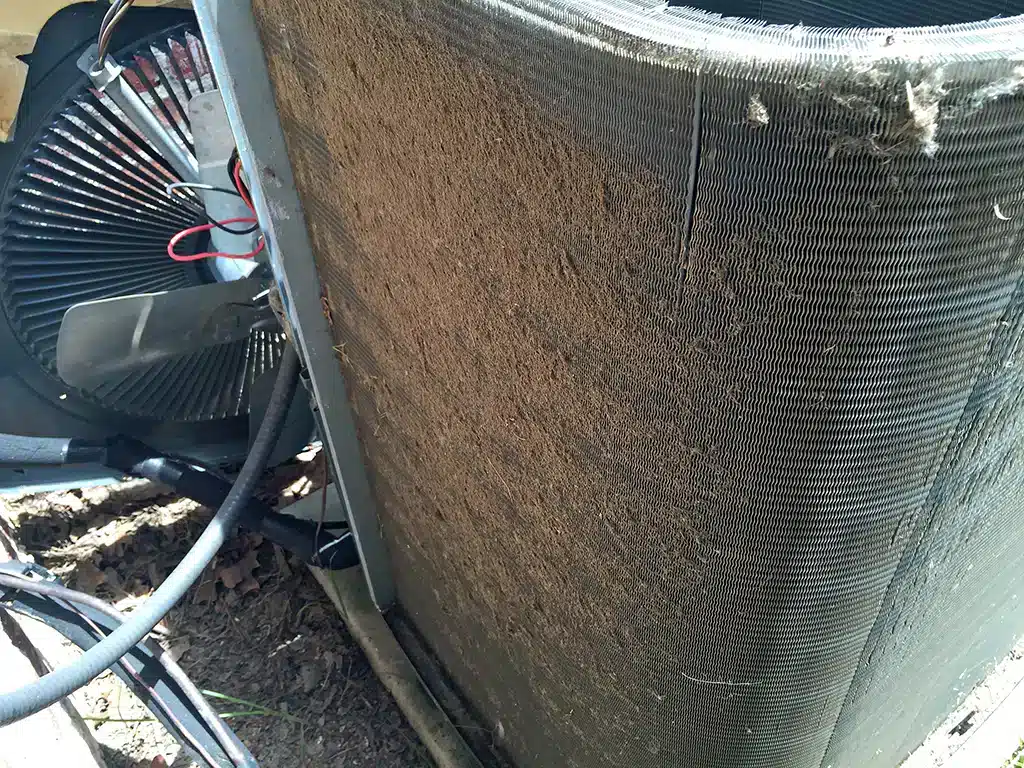
The heating, ventilation, and air conditioning (HVAC) system is a crucial component of home comfort, but its maintenance is often neglected. An inefficient HVAC system not only leads to increased energy costs but can also shorten the lifespan of the equipment. Regular maintenance, such as cleaning or replacing filters, checking refrigerant levels, and ensuring the system is running efficiently, can significantly reduce energy consumption and prolong the system’s life.
Neglecting the HVAC system also has implications for indoor air quality. Dust, pollen, and other allergens can accumulate in the system, circulating throughout the home. This can exacerbate allergies and respiratory issues, particularly in children and the elderly. Regular cleaning and maintenance of the HVAC system are essential to ensure it functions efficiently and provides a healthy indoor environment.