Self-care is essential for maintaining both mental and physical health. It’s an investment in personal well-being that goes beyond mere indulgence. In today’s fast-paced world, taking time to slow down and focus on self is not just a luxury, it’s a necessity. This blog explores a variety of self-care activities tailored to suit different needs and preferences. From transforming living spaces into peaceful havens to embracing mindfulness practices, each section provides practical and inspiring ideas for anyone looking to infuse their life with a bit more calm and joy.
Creating A Soothing Environment At Home
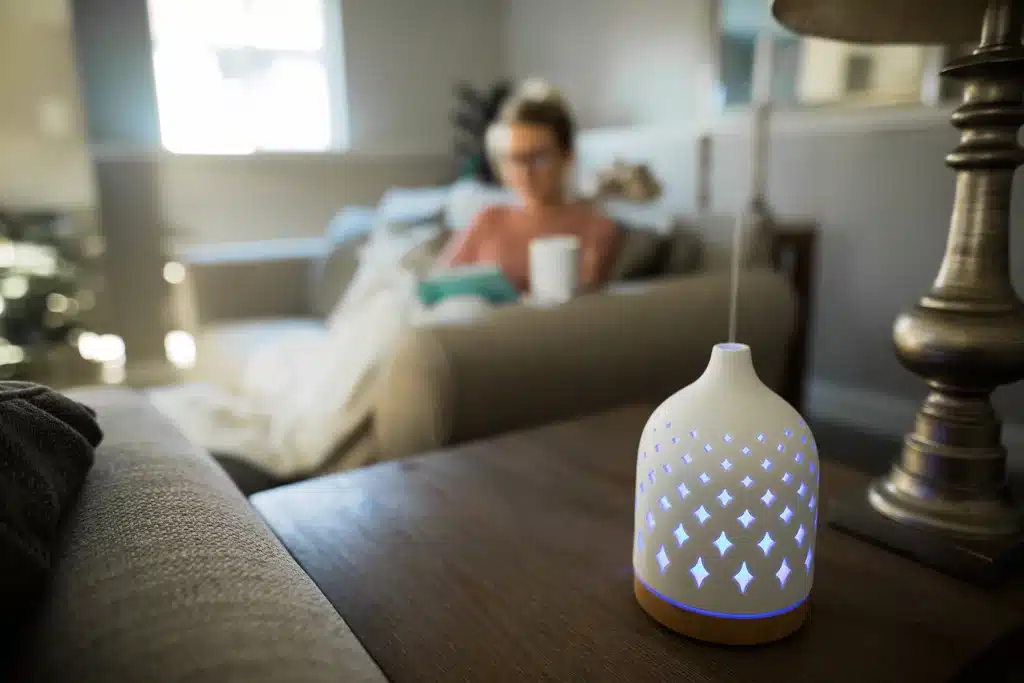
The ambiance of a living space significantly impacts mood and stress levels. Start by decluttering, as a tidy space promotes a peaceful mind. Incorporating elements like soft lighting, perhaps through dimmable lights or candles, can instantly create a calming atmosphere. Adding greenery, like indoor plants, not only purifies the air but also adds a touch of nature’s tranquility to the environment. It’s about crafting a personal retreat that feels welcoming and serene, a place where relaxation is inevitable.
Sensory elements play a crucial role in crafting a soothing environment. Aromatherapy, using scents like lavender or eucalyptus, can be profoundly relaxing and easily introduced through candles, diffusers, or essential oils. Similarly, the power of sound should not be underestimated. Whether it’s the gentle sounds of nature, soft instrumental music, or simply the calming silence, what one hears can significantly enhance the sense of peace. Complementing these with tactile elements like soft blankets, plush pillows, or comfortable loungewear can turn any home into a sanctuary of comfort and calm.
Mindfulness And Meditation Practices

Mindfulness is about being present in the moment, a skill that can reduce stress and enhance overall well-being. It starts with simple practices like mindful breathing or engaging fully with the present task. These practices help in cultivating an awareness that brings clarity and calmness to the mind. Even just a few minutes of mindfulness each day can make a noticeable difference in handling stress and anxiety.
Meditation, particularly guided meditation, is a powerful tool for deep relaxation. There are numerous resources available, from apps to online videos, offering guided sessions for all experience levels. Starting with short sessions can help ease into the practice, gradually building up as comfort and concentration improve. Regular meditation not only aids in stress reduction but also enhances self-awareness and emotional health, making it a cornerstone of effective self-care.
Nourishing Your Body

Nutrition plays a pivotal role in self-care, impacting both physical and mental health. Healthy eating doesn’t have to be complicated or time-consuming. Simple, nutrient-rich meals can be both satisfying and easy to prepare. Focusing on a balanced diet rich in fruits, vegetables, whole grains, and lean proteins can boost energy levels and mood. Experimenting with new recipes or meal planning can also turn nutrition into an enjoyable self-care activity.
Hydration is equally important, yet often overlooked. Regular water intake is crucial for maintaining energy levels, cognitive function, and overall health. Creative ways to increase water intake include infusing water with fruits or herbs for flavor or setting regular reminders to take a sip. Replacing sugary drinks with water or herbal teas is another step towards a healthier lifestyle, ensuring the body gets the hydration it needs to function optimally.